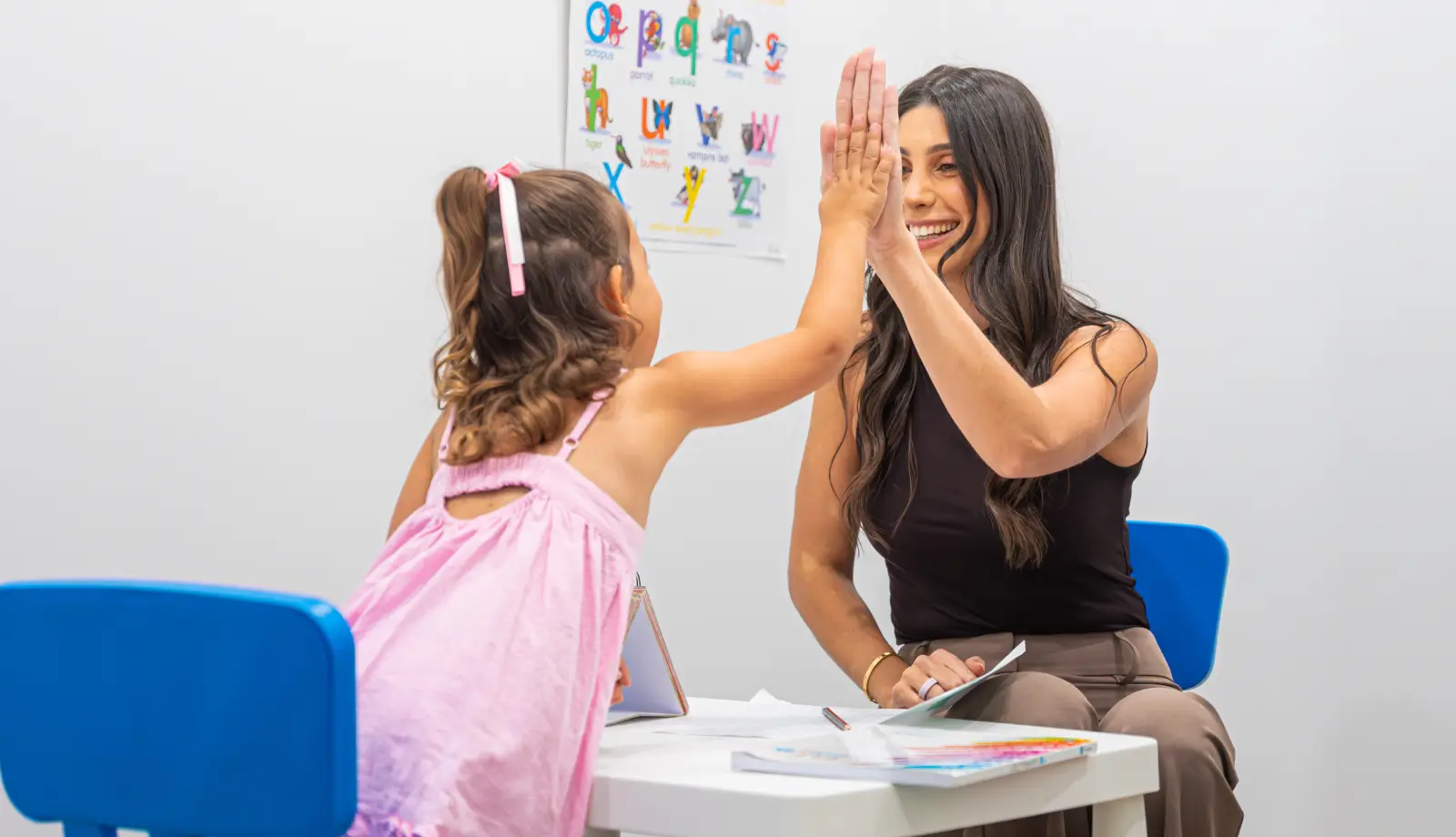
You’ve probably compared notes with other parents at the playground or scrolled through developmental milestone charts online, wondering if your child’s speech is on track. Maybe you’ve noticed they’re harder to understand than their peers, or perhaps they’re struggling to put sentences together. As a parent, it’s natural to question whether these concerns are just part of normal development or signs that professional support might help.
Knowing when to see a speech pathologist for your kid can feel overwhelming, but recognising the signs early can make a real difference in your child’s communication journey. If you’re unsure what the role involves, read our guide to what a speech pathologist is.
Understanding When Concerns Become Red Flags
Not every child develops at exactly the same pace, and some variation is perfectly normal. That said, if your child’s communication difficulties are causing frustration, affecting their ability to connect with others, or impacting their learning, it’s worth consulting a speech pathologist.
Speech pathologists work on speech sound production, language development, literacy skills, and even feeding difficulties. They help children from birth through to adolescence overcome communication challenges that might be holding them back.
Age-Specific Signs Your Child May Need Support
Toddlers (18 Months to 3 Years)
For younger children, watch for these indicators:
Limited vocabulary: By 18 months, most toddlers use around 20 words. By age 2, they should be combining two words together (like ‘more milk’). If your toddler is well behind these milestones, early intervention can help.
Difficulty being understood: By age 2, parents should understand about half of what their child says. By age 3, unfamiliar adults should understand about 75% of their speech. If you find yourself constantly translating for your child, it might be time to seek support.
Frustration when communicating: If your child becomes upset because they can’t express their needs, this may indicate a language delay requiring support.
Preschoolers (3 to 5 Years)
At this age, communication skills develop rapidly. Signs to watch for include:
Unclear speech: If your preschooler’s speech remains difficult for others to understand, particularly strangers or family outside your household, they may benefit from articulation therapy.
Trouble following instructions: Children who struggle with two-step directions (like ‘get your shoes and put them by the door’) may have receptive language difficulties. You might notice they look to siblings for cues or seem confused when given simple tasks.
Limited sentence structure: By age 4, children should use sentences of four to five words and tell simple stories. If your child uses mainly single words or very short phrases, assessment is recommended.
School-Aged Children (5+ Years)
Once children start school, new challenges may emerge:
Literacy difficulties: Struggling with reading, writing, or spelling despite adequate teaching support can indicate language processing issues. Many parents are surprised to learn that speech pathologists can help with these academic challenges.
Social communication challenges: Difficulty making friends, understanding jokes, or following playground rules may reflect social communication difficulties.
Persistent speech sound errors: If your child is still substituting sounds (saying ‘wed’ instead of ‘red’) or has a persistent lisp beyond age 6 to 7, targeted therapy can help.

Common Reasons Parents Seek Speech Pathology
Beyond age-specific milestones, several situations commonly benefit from speech pathology support:
Stuttering: If your child repeats sounds, syllables, or words frequently, or seems to struggle to get words out, early intervention can reduce stuttering. You might notice they take a long breath before speaking or avoid certain words.
Feeding concerns: Fussy eating, limited food acceptance, or difficulty chewing and swallowing safely are areas where speech pathologists work with families. If mealtimes have become stressful or your child gags easily, these are valid concerns to address.
Developmental conditions: Children with autism, Down syndrome, cerebral palsy, or other developmental differences often benefit from speech pathology to support their unique communication needs.
Why Early Intervention Matters
The earlier you address communication concerns, the better the outcomes typically are. Children’s brains are incredibly responsive to targeted support, particularly in the early years.
Early speech pathology can prevent minor delays from becoming bigger challenges, build your child’s confidence in communicating, and support school readiness. It also reduces frustration for both children and families while giving you practical strategies to use at home.
Waiting to see if your child will ‘grow out of it’ can mean missing the window when intervention is most effective. If you have concerns now, trust that instinct.
What to Expect at Kids and Cubs Clinic
At Kids and Cubs Clinic in Balmain, we understand that seeking help for your child can feel daunting. Our team creates a welcoming environment where children feel comfortable and parents feel heard.
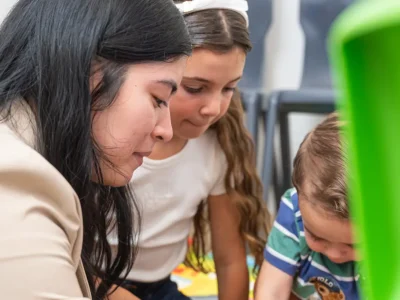
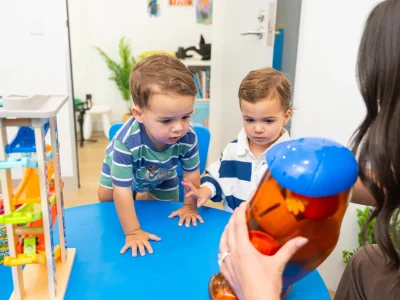
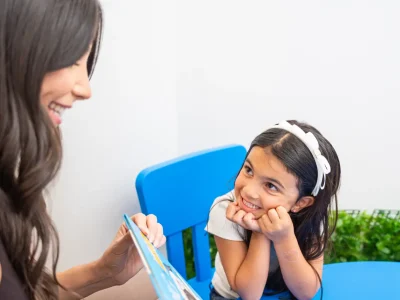
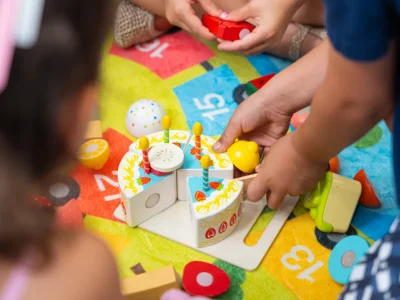
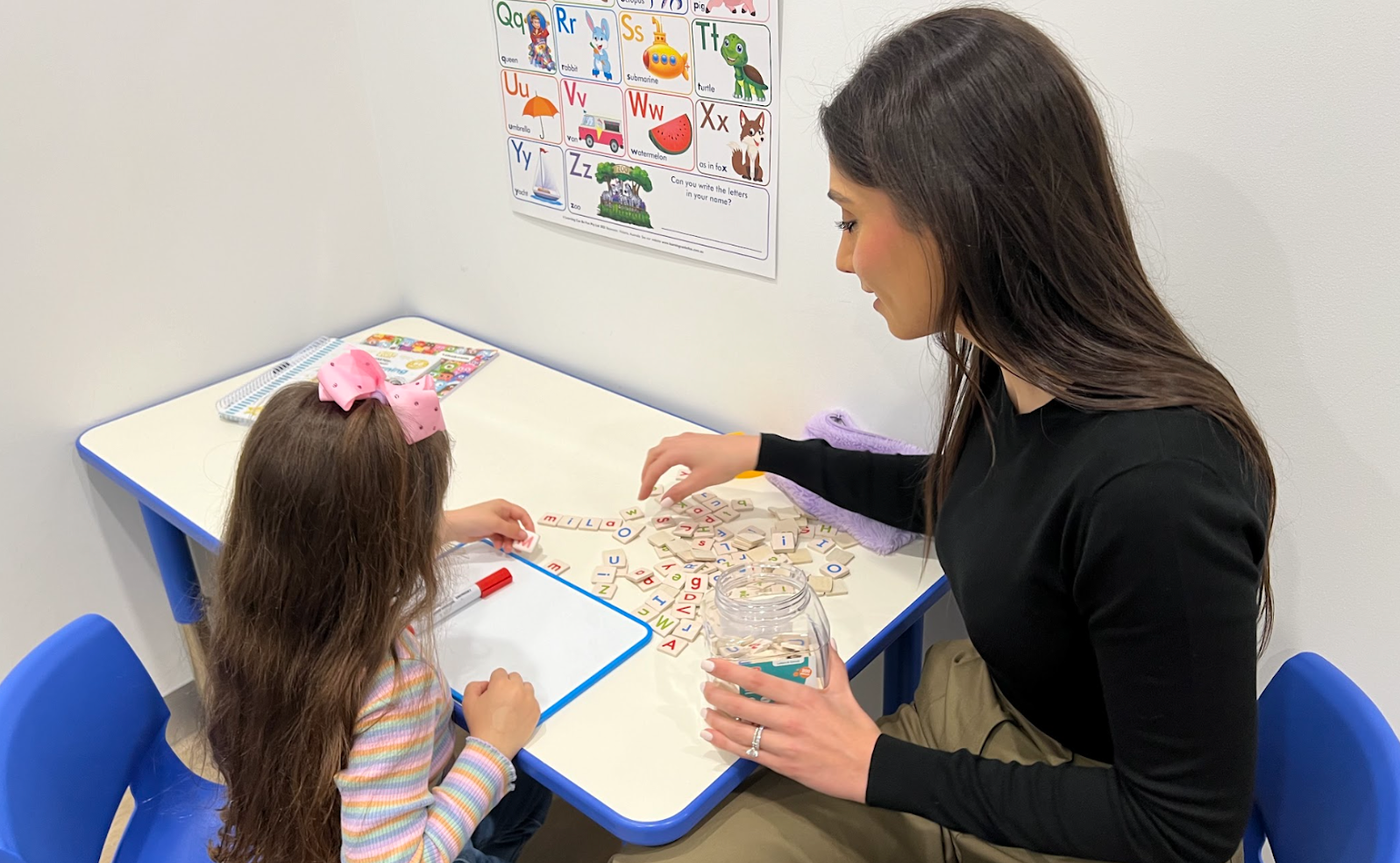
Your child’s first appointment includes a thorough speech and language assessment. We observe how your child communicates, listens, and interacts before creating a personalised therapy plan tailored to their specific needs. From there, therapy sessions are play-based and engaging, using activities and games that keep children motivated while building communication skills.
We also share practical strategies and home activities so you can support your child’s progress between sessions. Watching parents successfully use these techniques at home and seeing their child’s confidence grow is one of the most rewarding parts of what we do.
We serve families across Sydney’s Inner West and accept NDIS funding, Medicare (through Chronic Disease Management plans), and private health insurance.
Trust Your Instincts
As a parent, you know your child best. If something doesn’t feel quite right about their communication development, it’s worth seeking professional advice. There’s no harm in getting an expert opinion to either reassure you that development is on track or identify areas where targeted support could help.
If you’re in Sydney’s Inner West and wondering whether your child might benefit from speech pathology, the team at Kids and Cubs Clinic is here to help. We’re passionate about supporting children to develop strong communication skills and the confidence to express themselves.
Contact us today on (02) 9166 7622 to book a speech assessment or discuss your concerns with one of our friendly speech pathologists. Together, we can support your child’s communication journey.