Watching your toddler grow and develop is one of the most rewarding experiences as a parent. But when you notice they’re not talking as much as other children their age, or struggling to express themselves, it’s natural to feel concerned. The good news? Early intervention speech therapy for toddlers can make a significant difference in your child’s communication journey.
If you’re a parent in Sydney’s Inner West wondering whether your toddler needs speech support, this guide will help you understand when to seek help and what to expect from early intervention therapy. You can also read how we make speech therapy that works.
What is Early Intervention Speech Therapy?
Early intervention speech therapy focuses on supporting toddlers and young children who show signs of speech or language delays. Unlike waiting to “see if they grow out of it,” early intervention provides targeted support during the most critical developmental window.
The first 2000 days of a child’s life (from birth to around age five) represent a window of opportunity for speech and language development. Children who receive timely speech support during this period are more likely to achieve better academically, develop strong social skills, and build higher self-esteem.
Early intervention speech therapy for toddlers addresses communication challenges when your child’s brain is most adaptable, leading to better outcomes than waiting until school age.
Signs Your Toddler May Need Speech Therapy
Every child develops at their own pace, but certain signs may indicate your toddler could benefit from professional support. Consider seeking an assessment if your child:
By 12 months:
- Doesn’t babble or use gestures like pointing or waving
- Isn’t responding to their name
- Shows limited interaction or eye contact
By 18 months:
- Isn’t using any words
- Doesn’t follow simple instructions
- Seems frustrated when trying to communicate
By 2 years:
- Uses fewer than 50 words
- Isn’t combining two words together (like “more milk” or “daddy go”)
- Relies heavily on gestures instead of words
- Is difficult for family members to understand
By 3 years:
- Speech is unclear to people outside the family
- Struggles to form simple sentences
- Doesn’t ask questions or engage in back-and-forth conversation
If you notice any of these signs, it doesn’t mean something is seriously wrong. A speech pathology assessment can provide clarity and peace of mind.
How Early Intervention Speech Therapy Works
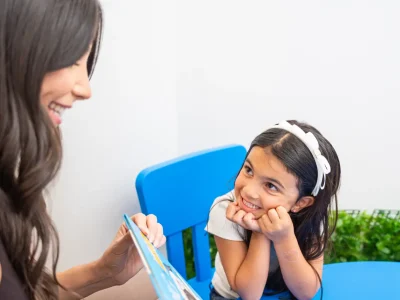
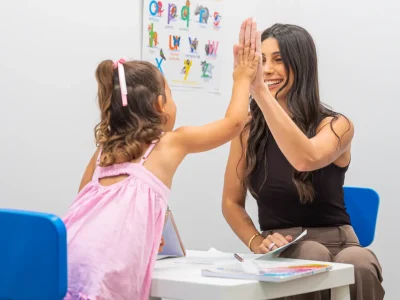
Early intervention speech therapy for toddlers looks quite different from what you might imagine. Sessions are play-based, engaging, and designed to feel natural for young children.
The Assessment Process
Your child’s first appointment includes a detailed speech and language assessment. The speech pathologist observes how your child communicates, listens, and interacts. They’ll ask about your concerns and your child’s developmental history before creating a personalised therapy plan.
Play-Based Therapy Sessions
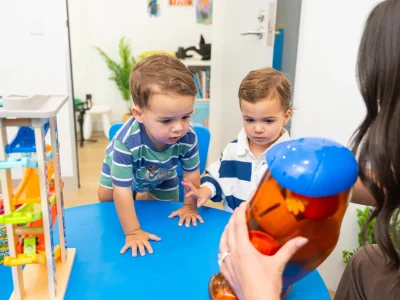
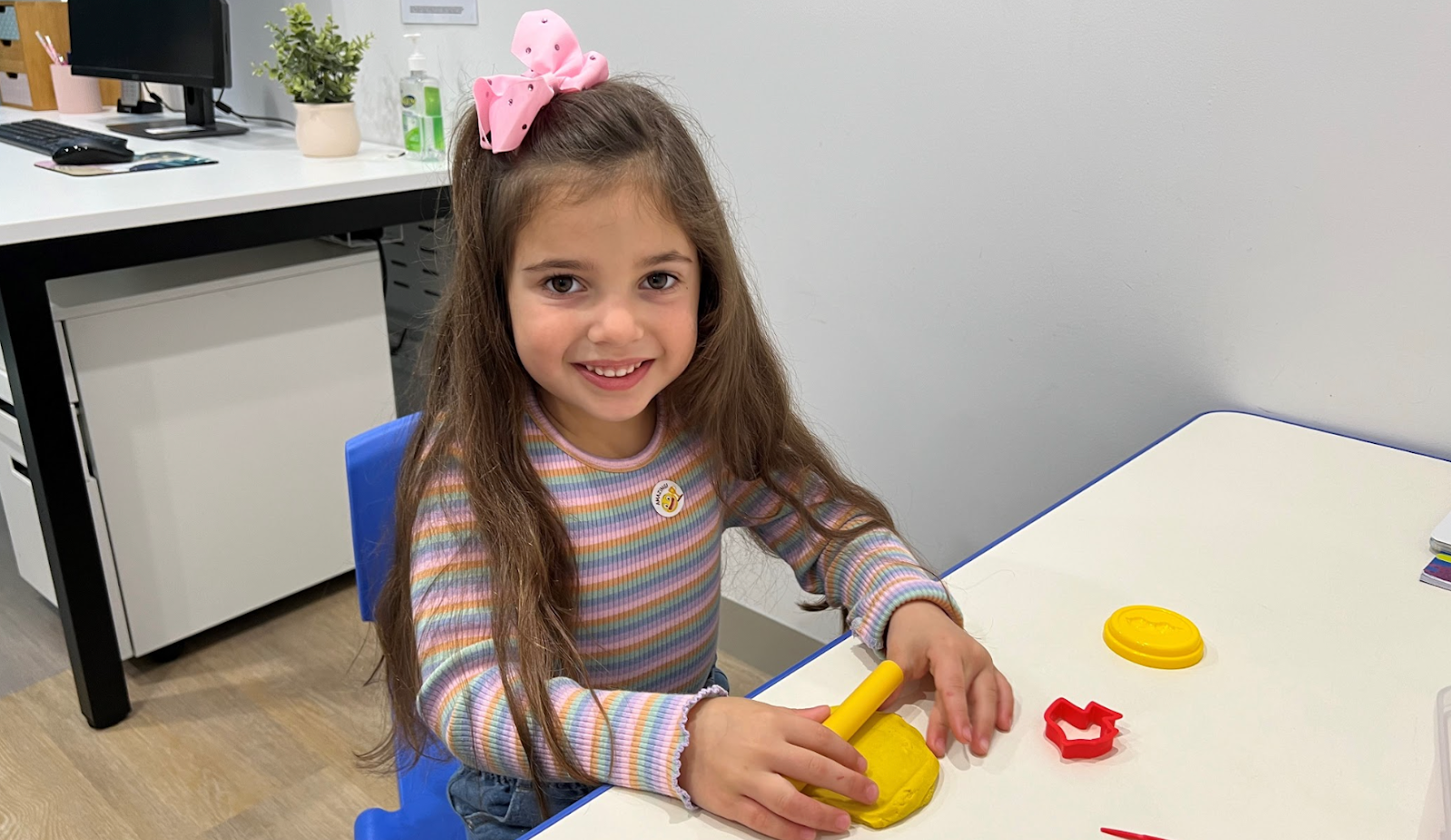
Therapy sessions use structured play activities and games to keep toddlers motivated and engaged. Your child might be playing with toys, singing songs, or looking at picture books, but each activity is carefully designed to target specific speech and language goals.
These sessions help toddlers develop:
- Expressive language (using words and sentences)
- Receptive language (understanding what others say)
- Speech sound production (pronouncing words clearly)
- Social communication skills (taking turns, making eye contact)
Home Activities and Progress Tracking
Speech pathologists provide simple home activities to reinforce new skills between sessions. With consistent therapy and family support, many children develop clearer speech and stronger communication confidence over time.
Common Causes of Speech Delays in Toddlers
Understanding why your toddler might be experiencing a speech delay can help you feel less anxious. Common causes include:
- Developmental delays: Some children simply need more time for their speech and language skills to develop
- Hearing difficulties: Even mild hearing loss can impact how children learn to talk
- Oral-motor challenges: Difficulties with the muscles used for speech
- Limited language exposure: Children need to hear lots of language to develop their own skills
- Bilingual environments: Children learning two languages simultaneously may take slightly longer to start talking, but this is normal and beneficial long-term
Speech delays are rarely caused by parenting style. If you’re concerned, seeking professional guidance is the best step forward.
The Benefits of Starting Early
Early intervention makes a real difference. Toddlers who receive timely support typically make faster progress because their brains are still developing the neural pathways for language and speech.
Starting therapy early can prevent frustration and behavioural challenges that sometimes develop when children can’t express their needs. It also helps build the strong communication foundation your child needs for reading and classroom learning.
Most importantly, when children can express themselves clearly, their confidence grows. They feel more comfortable playing with other children, participating in preschool activities, and exploring their world through conversation.
Accessing Speech Therapy in Sydney's Inner West
If you’re based in Balmain or nearby Inner West suburbs, accessing speech pathology support for your toddler is straightforward. Many families are eligible for support through NDIS, Medicare’s Chronic Disease Management Plan, or private health rebates.
Speech pathology clinics in the Inner West specialise in early childhood intervention and understand the unique needs of toddlers. Look for clinics that offer:
- Paediatric speech pathologists experienced in early intervention
- Play-based, developmentally appropriate therapy
- Evidence-based treatment approaches
- Family-centred care that involves parents in the therapy process
- Flexible appointment times to suit working families
What to Expect From Your First Appointment
If you decide to book a speech assessment for your toddler, knowing what to expect can help both you and your child feel more comfortable.
The speech pathologist will spend time getting to know your child and understanding your concerns. They’ll observe your child’s communication skills through play and conversation, and may use assessment tools appropriate for your child’s age.
After the assessment, the speech pathologist will discuss their findings with you, answer your questions, and recommend a therapy plan if needed. If therapy is recommended, they’ll explain what it involves, how often sessions should occur, and what outcomes you can expect.
Supporting Your Toddler's Speech Development at Home
While professional therapy is important, you have the biggest influence on your child’s language development. Here are simple ways to support your toddler every day:
- Talk throughout daily routines: Narrate what you’re doing during mealtimes, bath time, and play
- Read together daily: Choose engaging picture books and talk about the pictures
- Follow your child’s lead: Talk about what interests them in the moment
- Expand on their words: If they say “car,” respond with “Yes, that’s a big red car”
- Reduce screen time: Face-to-face interaction is essential for language learning
- Be patient: Give your child time to respond without rushing or finishing their sentences
Take the Next Step

If you’re concerned about your toddler’s speech and language development, trust your instincts. Early intervention speech therapy for toddlers offers the best chance for positive outcomes, and seeking help early shows incredible care for your child’s future.
Don’t wait to see if your child will “catch up” on their own. A simple assessment can provide the answers you need and the support your child deserves.
Contact Kids and Cubs Clinic today to book a speech assessment and take the first step toward supporting your toddler’s communication journey.