Have you ever watched your child struggle to express their thoughts, or noticed they’re having difficulty being understood by their peers? Perhaps your little one is finding reading challenging, or mealtimes have become a stressful experience. If any of these scenarios sound familiar, a speech pathologist might be exactly the professional who can help.
Speech pathologists, also known as speech therapists, are university-educated allied health professionals who work with children to support their communication, language, and swallowing development. But their role extends far beyond simply helping children “speak clearly”. Let’s look at what speech pathologists actually do and how they can support your child’s development. If you’re new to the profession, start with our overview of what a speech pathologist is, then see how we deliver speech therapy that works.
The Core Areas Speech Pathologists Work On
Speech pathologists are highly trained professionals who support children across multiple areas of communication and development. Here’s what they focus on:
Speech Sound Production
When we talk about “speech”, we’re referring to how your child physically produces sounds and words. A speech pathologist helps children who might be substituting sounds (saying “tat” instead of “cat”), leaving sounds out of words, or having difficulty making certain sounds clear.
Through targeted therapy activities, they teach children how to position their tongue, lips, and jaw to produce sounds correctly, making their speech easier to understand. Learn more about how we support this through our articulation and lisp therapy.
Language Development
Language encompasses both understanding (receptive language) and using words to communicate (expressive language). Speech pathologists support children who have difficulty following instructions, understanding questions, learning new vocabulary, or putting sentences together.
They work on helping children grasp concepts, remember words, and express their thoughts in age-appropriate ways. This foundation matters for learning, socialising, and building confidence. Find out more about our understanding and using language therapy.
Literacy and Learning
Many parents are surprised to learn that speech pathologists help with reading, writing, and spelling development. Because literacy is fundamentally built on language skills, speech pathologists can identify and address the underlying causes of literacy difficulties. They work on phonological awareness (understanding sounds in words), comprehension, and the connection between spoken and written language. Explore our literacy, reading and spelling therapy service to learn more.
Feeding and Swallowing
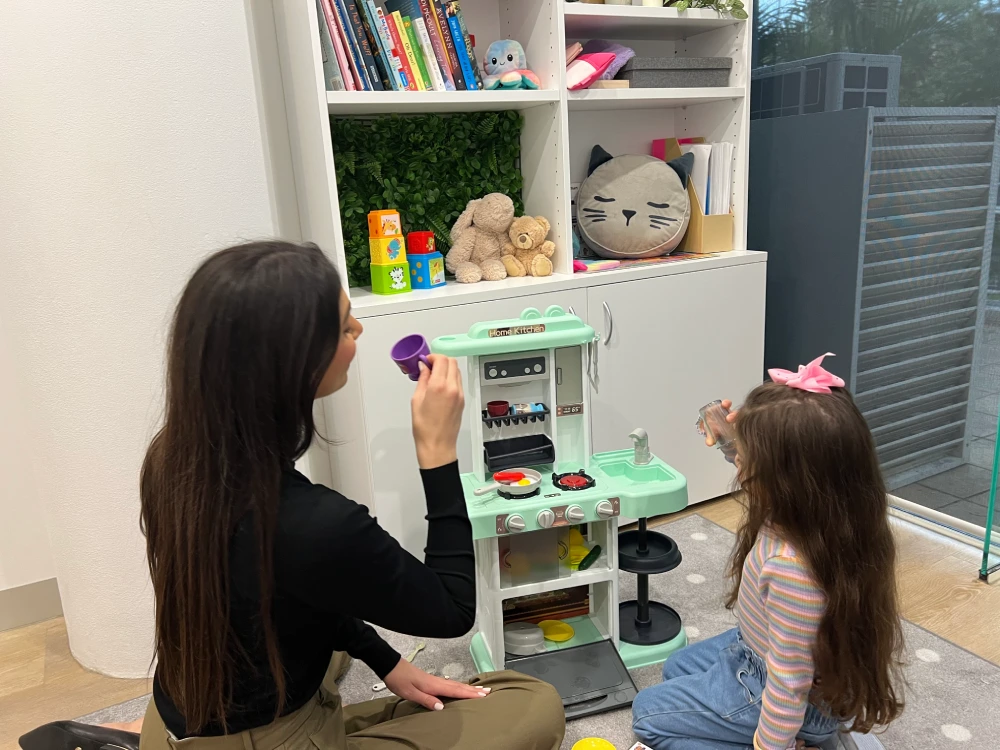
For some children, mealtimes can be challenging. Speech pathologists assess and treat fussy eating, food texture aversions, and swallowing difficulties. They can help children who have restricted food preferences, difficulty chewing or swallowing safely, or who become anxious around mealtimes. This support ensures children can eat safely and enjoy a varied, nutritious diet. See how our fussy feeding therapy can help.
Who Can Benefit from Speech Pathology?
Speech pathology isn’t just for one type of child or one specific difficulty. Children across a wide range of ages and abilities can benefit:
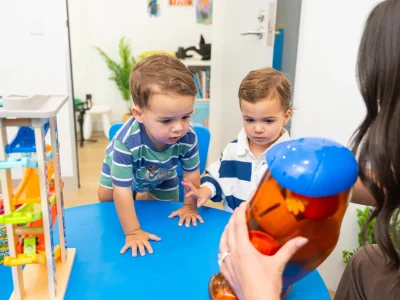
✓ Toddlers and Preschoolers who aren’t meeting communication milestones, such as late talkers or children with limited vocabulary, can benefit from early intervention. Our therapy for toddlers and preschoolers uses play-based therapy to make learning fun and engaging while building essential communication foundations.
✓ School-Aged Children who are experiencing difficulties with speech clarity, reading and spelling challenges, or who struggle to express themselves in the classroom can receive targeted support through our therapy for school-aged children. Speech pathologists work on articulation (including lisps), language comprehension, literacy skills, and social communication.
✓ Children with Developmental Differences including autism spectrum disorder, developmental delays, Down syndrome, or cerebral palsy often benefit from speech pathology. For children who are non-verbal or have limited speech, speech pathologists can introduce alternative and augmentative communication (AAC) methods through our communication devices (AAC) service, including communication devices, picture systems, or key word signing.
✓ Children who stutter can learn strategies to manage their fluency through our stuttering therapy. Early intervention for stuttering can make a real difference, helping children communicate with confidence and reducing the impact on their daily life.
What Happens in a Speech Therapy Session?
If you’re considering speech pathology for your child, you might be wondering what actually happens during therapy sessions.
The Assessment Process
Before therapy begins, speech pathologists conduct a comprehensive speech assessment to understand your child’s current communication abilities and identify areas that need support. This might include:
✓ Standardised tests
✓ Play-based observations
✓ Discussions with you about your concerns
✓ Liaising with your child’s teachers or other professionals
The assessment helps create a clear picture of your child’s strengths and challenges.
Personalised Therapy Sessions
Every child is unique, and speech therapy reflects this. Sessions are designed specifically for your child’s age, interests, and goals:
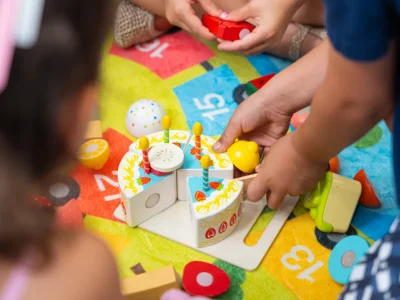
✓ For younger children, therapy often looks like play. Speech pathologists use toys, games, books, and activities that engage your child while working on targeted skills. They might blow bubbles to work on speech sounds, play with toy animals to build vocabulary, or use movement breaks to help with attention and regulation.
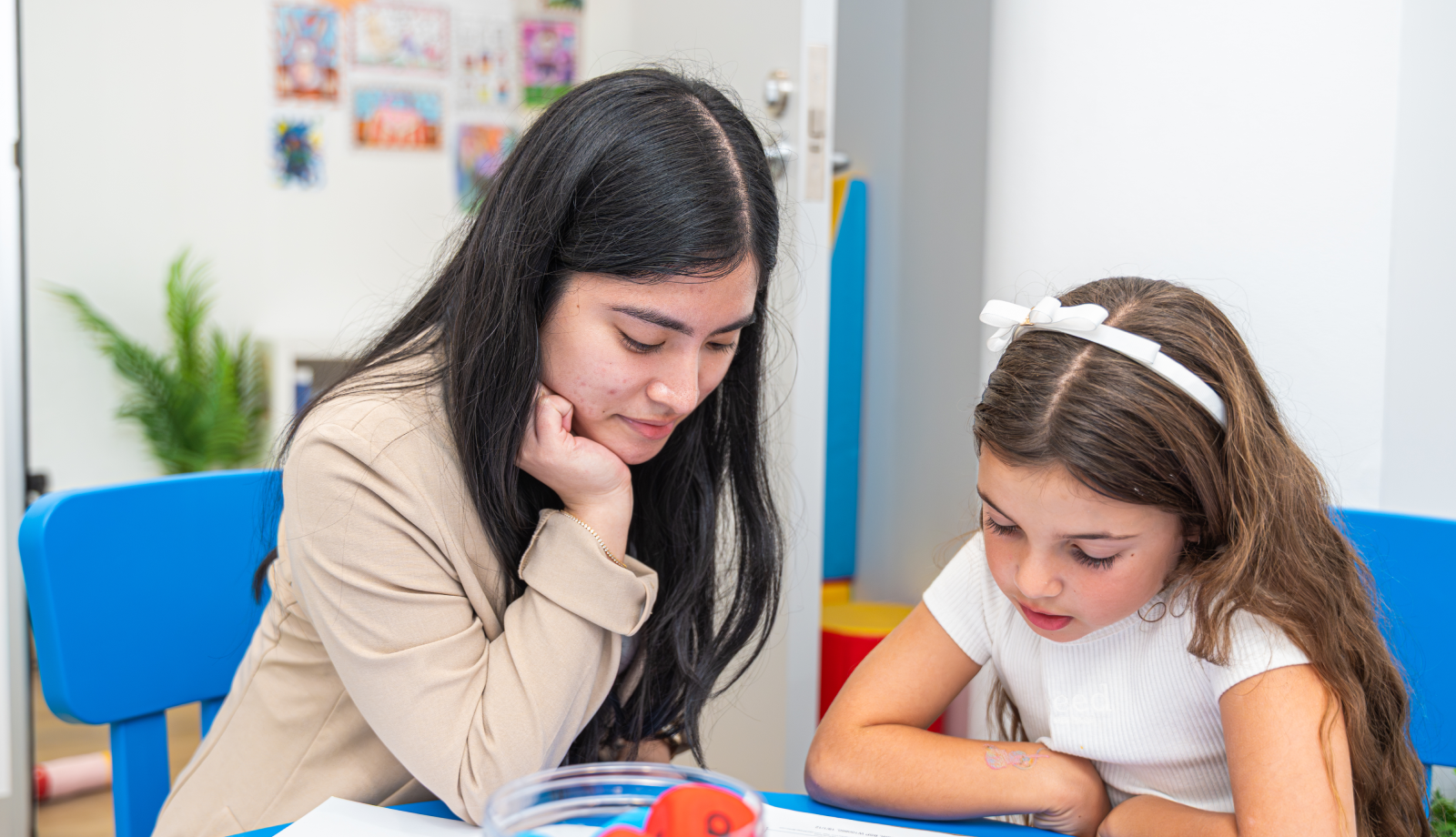
✓ For older children, therapy might include more structured activities, literacy-based tasks, social skills practice, or problem-solving exercises.
The key is making therapy engaging and motivating so children want to participate and practise their new skills.
How Speech Pathologists Support Your Whole Family
One of the most important things to understand about speech pathology is that it’s not just about what happens in the therapy room. The best outcomes occur when families are involved and supported throughout the journey.
Family-Centred Approach
Quality speech pathology services, like those at Kids and Cubs Clinic, take a family-centred approach. This means your speech pathologist will work in partnership with you, respecting your knowledge of your child and your family’s priorities. They’ll take time to understand your goals and what matters most to you. Meet our team to learn more about who will be supporting your child.
Strategies for Home
Your speech pathologist will give you practical strategies and activities you can use at home. These might include:
✓ Ways to model language during everyday routines
✓ Techniques to encourage speech practice during play
✓ Tips for mealtimes
By incorporating these strategies into daily life, your child gets many more opportunities to practise and develop their skills. You can also find helpful tools on our Downloads page.
Collaboration with Schools and Other Professionals
Speech pathologists often collaborate with your child’s teachers, occupational therapists, psychologists, or other professionals involved in your child’s care. This team approach ensures everyone is working towards the same goals and supporting your child consistently across different environments.
When Should You Seek Help from a Speech Pathologist?
Knowing when to seek help can sometimes be tricky. Here are some signs that it might be time to consult a speech pathologist:
✓ Your toddler isn’t saying as many words as their peers or seems frustrated when trying to communicate
✓ Your preschooler’s speech is difficult for unfamiliar adults to understand
✓ Your child struggles to follow instructions at home or school
✓ Your child has difficulty finding the right words or puts sentences together in unusual ways
✓ Your child is experiencing stuttering or repetitions in their speech
✓ Your child is having difficulty learning to read, despite support at school
✓ Your child struggles with social interactions or understanding social cues
✓ Mealtimes are stressful due to limited food preferences or difficulty chewing and swallowing
✓ Your child has been diagnosed with autism, developmental delay, or another condition that affects communication
You can also check our Developmental Milestones page to see whether your child’s communication is on track for their age. And if you have questions before booking, our FAQ page is a great starting point.
Remember, there’s no harm in seeking professional advice. Speech pathologists can reassure you if development is on track, or identify areas where early support could make a real difference.
Supporting Your Child's Communication Journey
Speech pathologists help children overcome communication challenges and reach their full potential. Whether your child needs support with speech sounds, language development, literacy, feeding, or any other communication area, speech pathology offers evidence-based, personalised support tailored to your child’s unique needs.
At Kids and Cubs Clinic in Balmain, Sydney, our experienced speech pathologists work with children aged 0–16 years, providing assessment and therapy in a supportive, family-centred environment. We accept NDIS funding (self-managed and plan-managed), Medicare (through Chronic Disease Management plans), and private health insurance. We also offer both in-clinic and telehealth sessions to suit your family’s needs.
If you have concerns about your child’s communication development, or if you’d simply like to discuss whether speech pathology could benefit your family, we’d love to hear from you.
Contact Kids and Cubs Clinic today on (02) 9166 7622 to book a speech pathology assessment or to speak with one of our friendly therapists about how we can support your child’s communication journey.