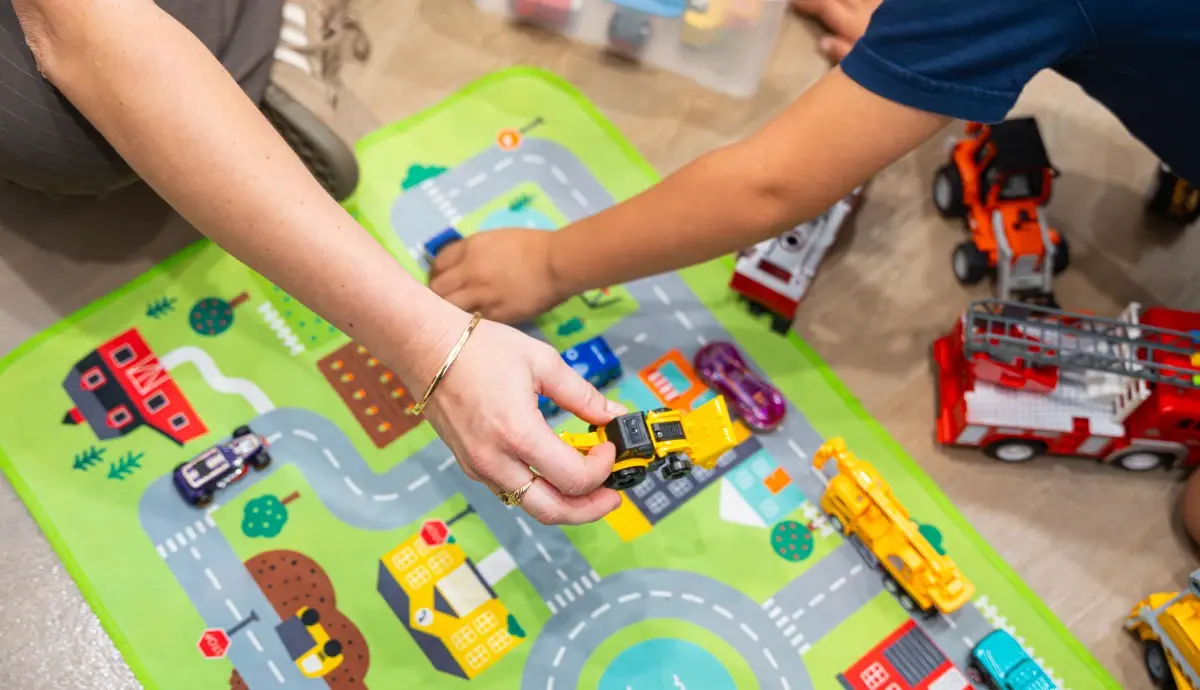
If you’re reading this, chances are you’ve been carrying a heavy question: “Is my child’s speech delay my fault?” As speech pathologists at Kids and Cubs Clinic in Sydney, we hear this from parents every single week. And here’s what we want you to know straight away: No, you did not cause your child’s speech delay.
We know that worry and guilt can feel overwhelming when your little one isn’t talking as much as other children their age. But before you spiral into self-blame, let’s talk about what actually causes speech delays and, more importantly, what you can do to help your child thrive.
Why Parents Blame Themselves (And Why You Shouldn't)
It’s completely natural to wonder if you did something wrong. Did you not read enough books? Was there too much screen time? Should you have talked to them more?
Here’s the truth: if parenting choices alone caused speech delays, then every speech pathologist would have children who speak perfectly. Yet some of the most knowledgeable speech therapists we know have children with language delays. Similarly, some families who never prioritise language development have children who talk early and often.
Children’s brains are all wired differently. Speech and language development is complex, influenced by numerous factors that are completely outside your control as a parent.
What Actually Causes Speech Delays?
Speech delays can occur for many reasons, and knowing the actual causes can help ease that burden of guilt you’ve been carrying.
Developmental and Medical Factors:
✓ Hearing loss or chronic ear infections
✓ Oral-motor difficulties affecting tongue, lip, or jaw coordination
✓ Premature birth or low birth weight
✓ Developmental delay or cognitive differences
Genetic and Family Factors:
✓ Family history of speech or language delays
✓ Being male (boys are statistically at higher risk)
✓ Having multiple siblings
Late Language Emergence: Some children are simply “late talkers” with no identifiable cause. Their brains just need more time and explicit support to develop language skills, whereas other children pick up language naturally just by being exposed to conversation.
Notice how none of these factors are things you could have prevented through your parenting. You didn’t do anything wrong.
Late Talker or Speech Delay? Knowing the Difference
Many toddlers are late talkers who eventually catch up without intervention. The key difference lies in how your child communicates overall.
Signs of a Late Talker (May Catch Up Naturally):
✓ Can follow what you say
✓ Listens to simple instructions
✓ Uses gestures like pointing, waving, or nodding
✓ Engages with you through eye contact and play
✓ Just uses fewer words than expected
Signs of Speech Delay (May Need Support):
✓ Limited reception of spoken language
✓ Doesn’t respond to their name consistently
✓ Rarely uses gestures to communicate
✓ Difficulty following simple directions
✓ Very few or no recognisable words by 18 months
✓ Unclear speech that even family can’t interpret by age three
If you’re concerned about your child, trust your instincts. Parents are usually the first to notice when something doesn’t feel quite right.
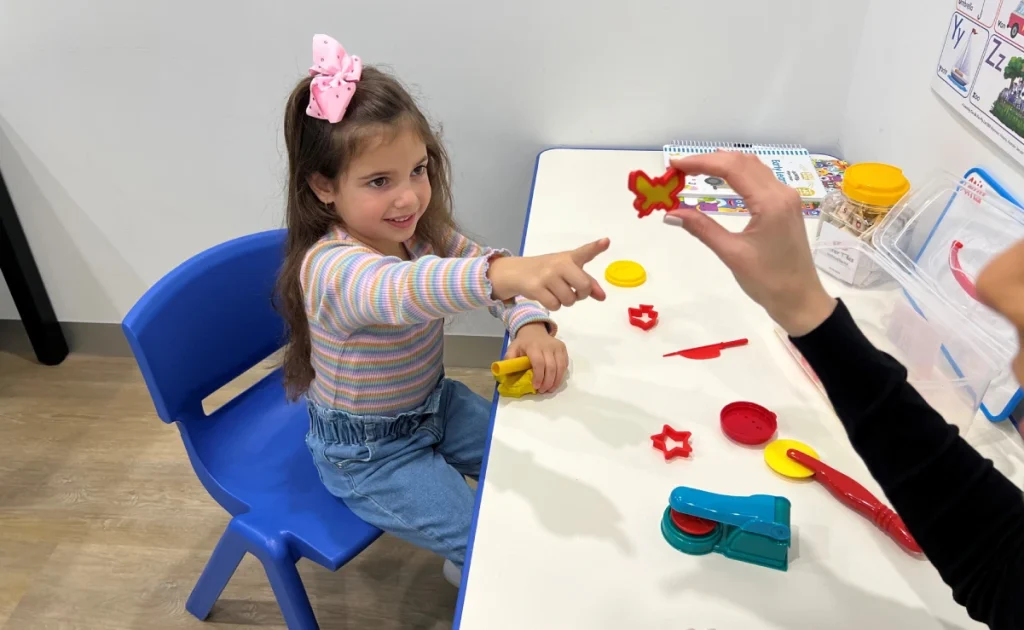
Communication Milestones: What to Expect
Here’s a quick reference for typical speech development. You can also explore our full Developmental Milestones guide for a detailed breakdown by age.
By 12–18 Months:
✓ Babbling with varied sounds
✓ Saying 1 – 20 first words like “mama” or “dada”
✓ Responding to their name
✓ Using gestures like waving or pointing
By 2 Years:
✓ Using around 50 to 200 words
✓ Combining two words (“more milk,” “daddy go”)
✓ Following simple two-step instructions
✓ Speech becoming clearer to parents
By 3 Years:
✓ Using sentences of 4 or more words
✓ Being intelligible to unfamiliar adults most of the time
✓ Naming common objects and actions
✓ Enjoying simple back-and-forth conversations
If your child isn’t meeting these milestones, it doesn’t mean you’ve failed them. It means they might benefit from some extra support.
What You Can Do to Help
While you didn’t cause the delay, you can absolutely be part of the solution. You’re with your child every day, which means you have countless opportunities to support their communication growth in natural, meaningful ways.
Simple Strategies to Try at Home:
✓ Model and Expand: When your child says “ball,” respond with “Yes, a big red ball!” This shows them how to build sentences naturally.
✓ Narrate Your Day: Talk about what you’re doing as you do it. “I’m putting your socks on. Blue socks! Now the other foot.”
✓ Read Together Daily: Point to pictures, name objects, and describe what’s happening in the story.
✓ Follow Their Lead: Talk about what they’re interested in rather than directing all the play. If they’re focused on a toy car, talk about the car.
✓ Give Them Time: Resist the urge to finish their sentences. Wait patiently to let them attempt communication, even if it takes a while.
✓ Limit Background Noise: Turn off the TV during meals and playtime so they can focus on language.
These small, consistent interactions create a rich language environment that supports your child’s development. For more hands-on guidance, our therapy for toddlers and preschoolers programme is built around exactly these kinds of everyday strategies.
When to Seek Professional Support
It’s never too early to seek advice if you’re worried. At Kids and Cubs Clinic in Balmain, we’ve worked with hundreds of families facing similar concerns, and early support consistently makes a meaningful difference.
Consider booking a speech assessment if your child:
✓ Isn’t meeting age-appropriate milestones
✓ Is difficult for family members to interpret
✓ Shows frustration when trying to communicate
✓ Has frequent tantrums that might be communication-related
✓ Isn’t progressing with home strategies alone
Our approach means we don’t just work with your child. We partner with you, teaching you strategies to support their progress during everyday activities at home.
We have face-to-face therapy in Balmain and telehealth appointments for families across Sydney.
You're Not Alone in This
Many families in Sydney’s Inner West have sat in our clinic with the same concerns you have now. They’ve felt the same guilt, asked the same questions, and worried about their child’s future. But here’s what they discovered: with the right support and strategies, children with speech delays can make remarkable progress.
Your child’s delay isn’t a reflection on your parenting. It’s simply information about what kind of support they need to reach their full potential. And now that you’re aware of it, you can take positive steps forward. You may also find our FAQ page helpful for answering common questions about the process.
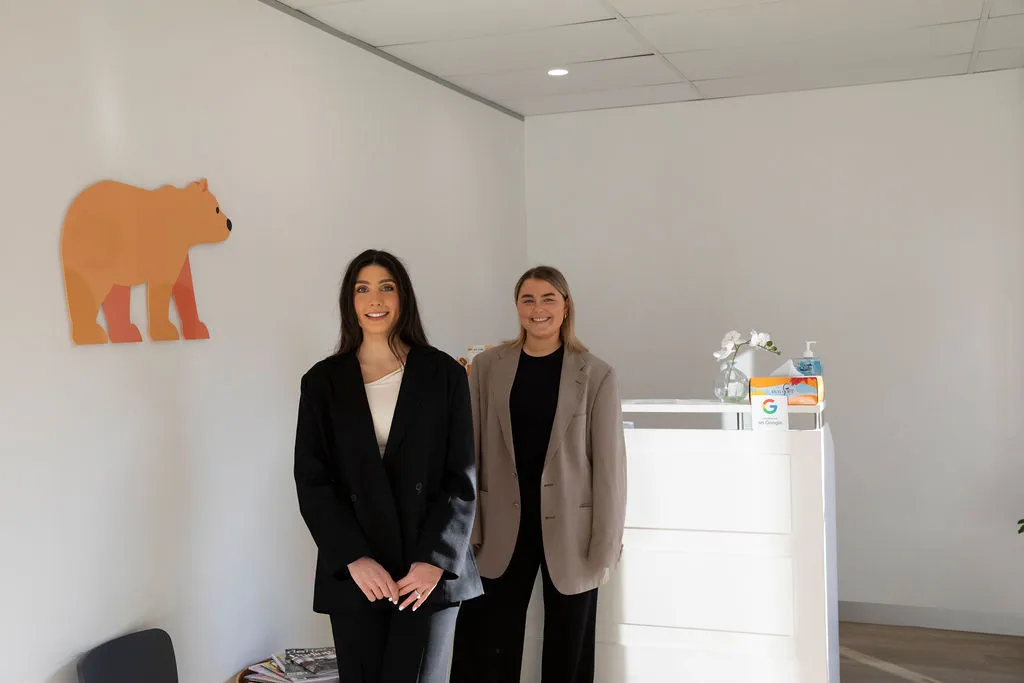
Ready to Take the Next Step?
If you’re concerned about your child’s speech and language development, we’re here to help. At Kids and Cubs Clinic, our paediatric speech pathologists in Balmain, can assess your child and create personalised therapy plans that work for your family.
We accept NDIS funding, private health insurance, and Medicare CDM plans, making support accessible for more families.
Contact Kids and Cubs Clinic today on (02) 9166 7622 to book a speech assessment. Let’s work together to help your child find their voice and build the communication confidence they deserve.
Remember, seeking help isn’t admitting fault. It’s being the advocate your child needs. And that makes you an excellent parent.