Noticing that your child isn’t reaching communication milestones can feel overwhelming. You might be wondering if they’re simply a late talker or if there’s something more going on. If you’re feeling this way, you’re not alone. Early support can make a real difference in helping your child find their voice.
This guide will help you recognise the signs and know when to seek professional support for your child’s communication development.
Understanding Speech vs Language Delay
Before seeking support, it helps to understand the difference between the two:
✓ Speech refers to the actual sounds your child makes when talking, including how clearly they pronounce words.
✓ Language involves understanding what others say (receptive language) and expressing thoughts and feelings (expressive language).
A child might struggle with one or both areas, which is why knowing this difference matters when seeking help. Our page on understanding and using language explains both sides of this in more detail.
Common Signs Your Child Needs Help with Speech and Language Delay
Every child develops at their own pace, but certain milestones can signal when extra support might be needed:
✓ By 12 months: Responds to their name, uses gestures like waving or pointing, and says one or two words like “mama” or “dada”
✓ By 2 years: Uses around 50 words, begins combining two words together such as “more milk” or “daddy go”, and speech is becoming clearer to parents
✓ By 3 years: Speaks in short sentences and can be understood by unfamiliar adults most of the time
You can check exactly where your child should be at every stage using our Developmental Milestones guide. If your child isn’t meeting these milestones or you’re finding it difficult to understand them, booking a speech assessment can bring clarity and peace of mind.

Causes of Delayed Speech and Language Development
Knowing what might be causing your child’s delay can help you find the right support. Common causes include:
✓ Hearing difficulties — One of the most common reasons. Children who’ve experienced chronic ear infections or have undiagnosed hearing loss may struggle because they can’t hear sounds clearly
✓ Oral-motor challenges — These affect a child’s ability to coordinate the muscles needed for speech, including tongue, lip, and jaw movements. Our articulation therapy service addresses this directly
✓ Developmental conditions — Some children have conditions that affect communication, including autism spectrum disorder or developmental language disorder
✓ Childhood apraxia of speech — A motor speech disorder supported through our dedicated CAS Clinic
✓ Environmental factors — Limited exposure to conversation or excessive screen time can also contribute to delays
The encouraging news is that with appropriate support, many children make strong progress.
Autism and Delayed Speech and Language
Parents often worry about the connection between speech delays and autism. While language difficulties are common in children with autism spectrum disorder, having a speech delay doesn’t automatically mean your child is autistic. The key difference lies in how children communicate beyond words.
Children with speech delays typically:
✓ Engage through gestures and eye contact
✓ Show interest in social interaction
✓ Point to things they want
✓ Wave goodbye or try to share experiences with you
Children with autism often show:
✓ Inconsistent responses to their name
✓ Reduced or avoided eye contact
✓ Less interest in social games
✓ Repetitive behaviours or strong focus on specific topics
✓ Social communication differences alongside speech delays
A speech pathologist can help you work out what’s happening and guide you towards the right support.
Speech and Language Delay Activities You Can Start at Home
You don’t have to wait for professional support to start helping your child. These simple, everyday activities can make a real difference:
✓ Narrate your day — Describe what you’re doing during daily routines. During bath time, talk about the bubbles and water temperature. While cooking, say “I’m stirring the sauce” or “Let’s pour the milk”
✓ Read together daily — Choose books with repetitive phrases, point to pictures, and ask simple questions like “Where’s the dog?” Even a few minutes of engaged reading helps
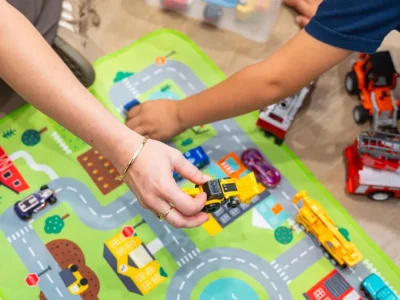
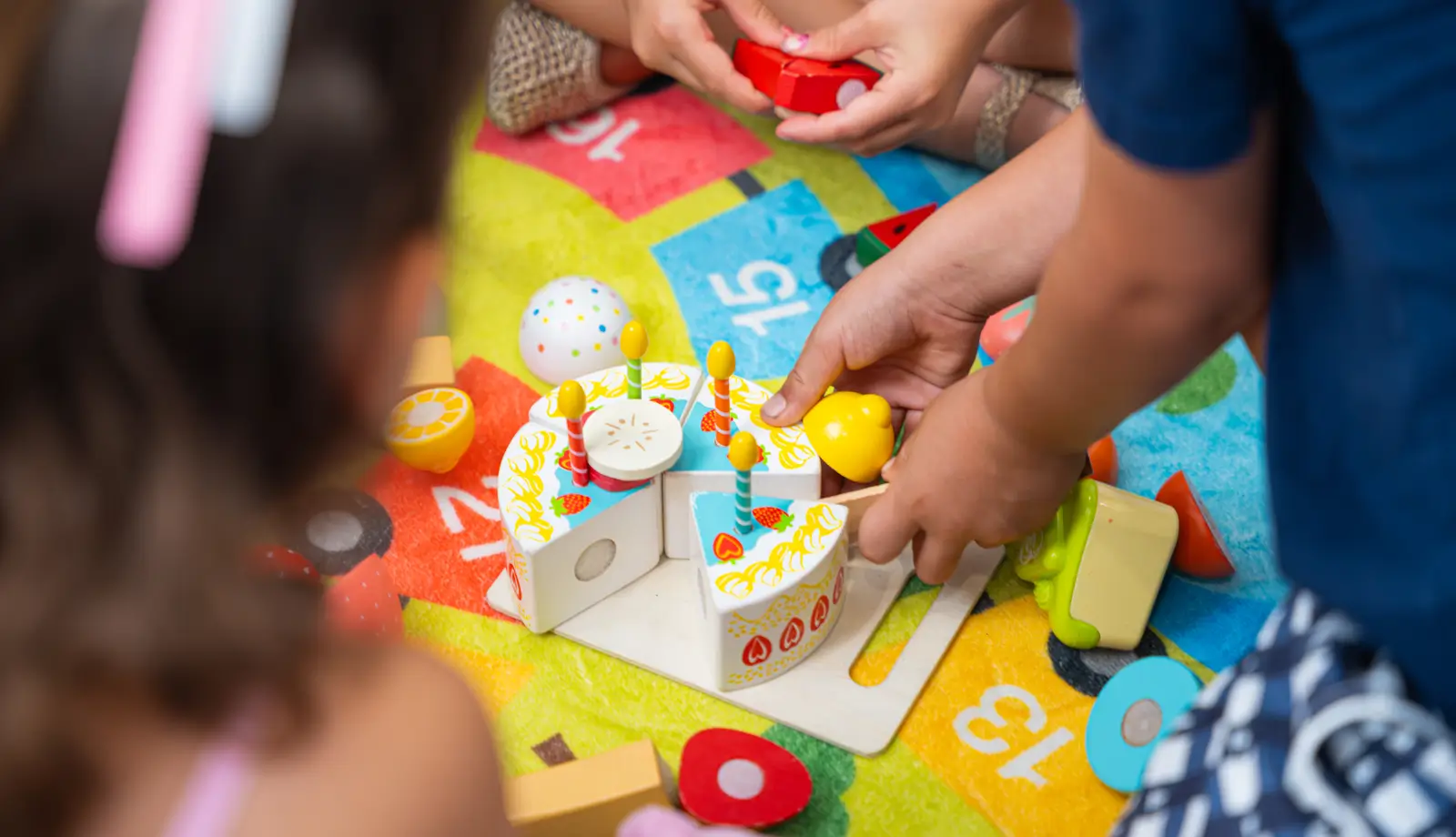
✓ Use pretend play — During play with toys, describe what’s happening: “The car goes up the ramp” or “The baby is sleeping”. Pause to give your child opportunities to respond, even through gestures
✓ Sing songs with actions — Songs like “The Wheels on the Bus” combine music, movement, and language in a fun way that encourages participation
✓ Follow your child’s lead — Talk about what they’re interested in rather than directing their play
These strategies are at the heart of how we work with families in our therapy for toddlers and preschoolers programme, so you’ll already be practising the same approach we use in clinic. For additional practical tools, visit our Downloads page for free parent resources.
When to Seek Professional Support
Trust your instincts as a parent. If you’re concerned about your child’s communication, it’s never too early to seek advice, early support brings the best results.
You should seek professional help if your child:
✓ Isn’t using gestures or words by 18 months
✓ Isn’t combining words by age two and a half
✓ Is difficult to understand by age three
✓ Has lost words or skills they previously had
✓ Shows noticeable frustration when trying to communicate
A paediatric speech pathologist can assess your child’s specific needs and create a personalised plan for your family. Many families find that play-based therapy for toddlers or therapy for school-aged children helps their child build communication skills while having fun.
Support is available across Sydney through both in-person and telehealth appointments, making professional help accessible even when in-person visits aren’t convenient. If you have questions before booking, our FAQ page is a great place to start.

Taking the Next Step Forward
If you’re concerned about speech and language delay in your child, seeking support early gives your child the best chance to develop strong communication skills. Many children make remarkable progress with the right support, and you don’t have to go through this alone.
Ready to support your child’s communication development? Contact Kids and Cubs Clinic in Balmain on (02) 9166 7622 to book an assessment. Our team is here to answer your questions and help your child reach their full potential.
We accept:
✓ NDIS funding (self-managed and plan-managed)
✓ Private health insurance
✓ Medicare Chronic Disease Management (CDM) plans