When your toddler starts getting stuck on words, repeating sounds or pausing mid-sentence, it is natural to feel unsure about what to do next. Many Sydney parents tell us the hardest part is not noticing the stutter. It is working out who to call, what to ask and how to tell whether a clinician is the right fit for their child.
This guide walks you through what to look for in a toddler stuttering speech pathologist, the questions worth asking before you book, and the practical things to weigh up as a Sydney family.
Key Takeaways
- Early assessment is the current best-practice advice in Australia, because no one can reliably predict which toddlers will grow out of stuttering.
- Look for a paediatric speech pathologist with formal training in early stuttering programs such as the Lidcombe Program.
- Most toddler stuttering therapy is delivered by parents at home, so the clinician’s coaching style matters as much as their qualifications.
- Ask about assessment, therapy plans, session frequency, telehealth and funding before you commit.
Why the Right Speech Pathologist Matters
Stuttering usually shows up in children under five, often at a time when their language is growing faster than their speech motor system can keep up. Some children recover without help, but even an experienced speech pathologist cannot say for certain which ones will. That is why waiting and watching can cost valuable time.
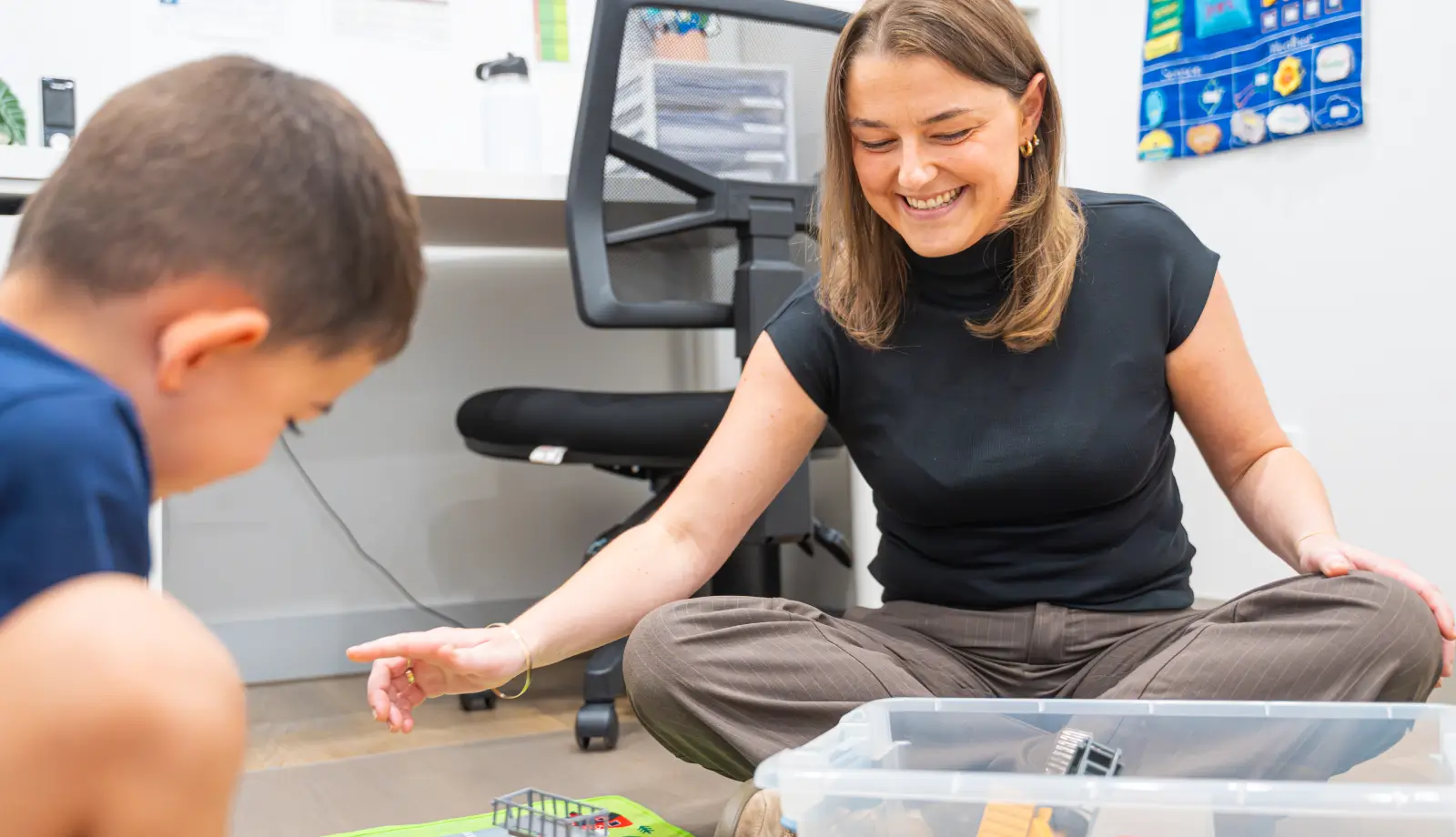
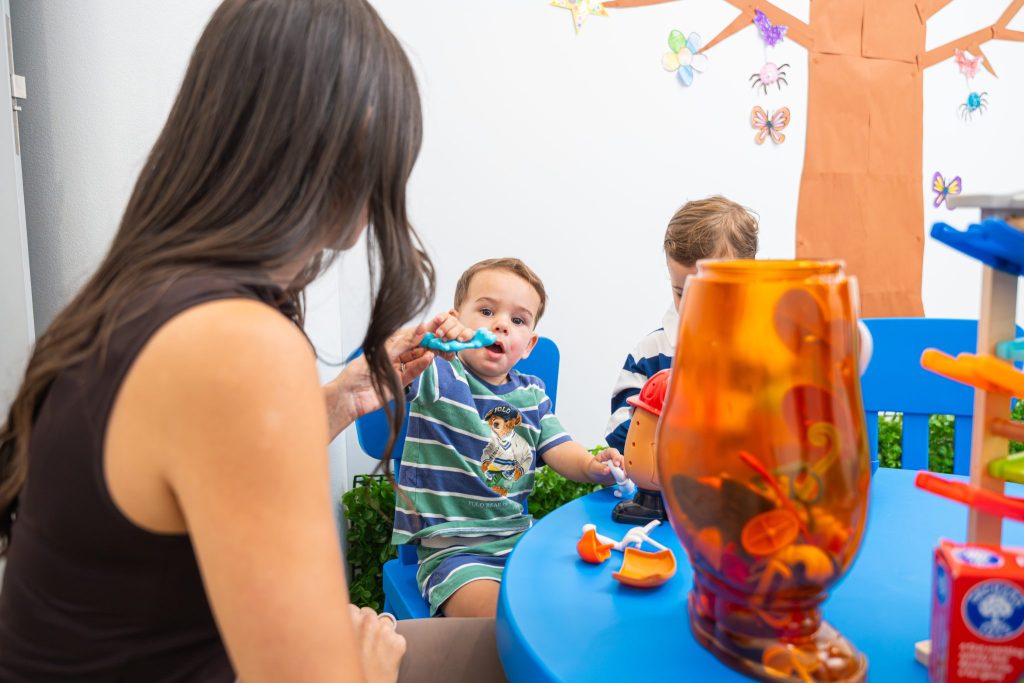
The good news is that early stuttering treatment for toddlers looks very different to what many parents expect. It is not drills at a desk. Programs designed for young children are mostly carried out by a parent during everyday play and conversation, with the speech pathologist teaching, guiding and adjusting the approach each week. In practice, your speech pathologist becomes your coach. Choosing someone who understands toddlers, explains things clearly and makes you feel confident at home will shape how smoothly therapy goes.
What to Look for in a Toddler Stuttering Speech Pathologist
Training in Early Stuttering Programs
The Lidcombe Program was developed in Sydney and is the most researched treatment for preschool children who stutter. Ask whether the clinician has completed formal Lidcombe Program training, not just a general overview. A clinician who knows the program well will also recognise when it is not the right fit and can offer alternatives, such as the Westmead or Oakville Programs, which use a rhythmic, syllable-timed style of speaking.
A Genuine Paediatric Focus
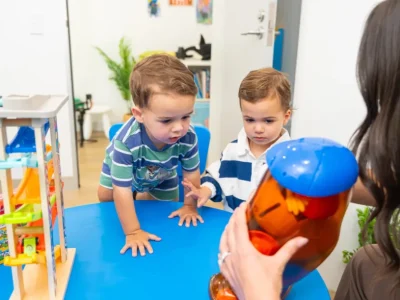
Stuttering in a two-year-old needs a different approach to stuttering in a teenager or an adult. A clinic that works only with children will usually have play-based resources, a child-friendly space and clinicians who are comfortable reading toddler cues. Membership of Speech Pathology Australia and Certified Practising Speech Pathologist (CPSP) status are also good signs of professional standards and ongoing training.
A Thorough First Assessment
A quality assessment should involve more than a quick chat. Expect the speech pathologist to listen to your child talk, observe the types of stuttering present (repetitions, prolongations or blocks), ask about family history and check how your child’s broader speech and language skills are developing. You should leave with your questions answered, not more of them.
A Clear Plan and a Style That Suits Your Family
After the assessment, you should receive a clear explanation of what was found and what the speech pathologist recommends. A good plan tells you what therapy will involve, roughly how often you will attend and what your role at home looks like. Notice how the clinician speaks to you and your child. Warmth, patience and practical advice go a long way when you are practising at home most days.
Questions to Ask Before You Book
A short phone call can tell you a lot. Here are questions worth asking:
- Have you completed formal training in the Lidcombe Program?
- What other stuttering programs do you offer if Lidcombe is not suitable?
- How long is the first assessment, and will I receive a written summary?
- How often are sessions, and how much home practice is involved?
- Do you offer telehealth if we cannot always get to the clinic?
- Can you support other speech or language concerns at the same time?
- Which funding options do you accept?
Practical Things Sydney Parents Should Weigh Up
Public versus private services. Community health speech pathology is an option in Sydney, but wait times can be long. If your child is on a public waitlist, it is reasonable to ask whether seeing a private speech pathologist in the meantime makes sense.
Location and travel. Weekly appointments are common in the early stages, so a clinic that is easy to reach from home, daycare or work makes a real difference. Factor in parking and peak-hour traffic across Sydney.
Telehealth. Because early stuttering programs are parent-led, many translate well to online sessions. This can be a helpful option for busy families or when your child is unwell.
Funding. Depending on your situation, you may be able to access support through a Medicare Chronic Disease Management plan (talk to your GP), NDIS funding or private health insurance rebates. Ask each clinic exactly which options they accept before you book.
How We Support Toddlers Who Stutter at Kids and Cubs Clinic
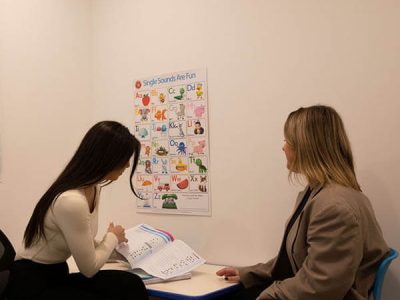
At our Balmain clinic in Sydney’s Inner West, families looking for a toddler stuttering speech pathologist in Sydney can start with a detailed stuttering assessment. We listen to your child speak, look closely at their stuttering patterns, ask about family history and take time to answer everything you have walked in wondering about.
Our Director and Principal Speech Pathologist, Samantha Malfitano, has completed Lidcombe Program Trainers Consortium training and spent five years working with children at Liverpool Hospital before founding the clinic. That hospital background shapes how we work: careful assessment, clear communication with families and collaboration with your child’s other health professionals where needed.
After the assessment, you receive a written summary, our diagnostic impression and a recommended program, so you know what we are aiming for and how you fit in. Most children begin with weekly 45-minute sessions, supported by short home practice that fits into real life, such as play time, school runs or bath time. We offer the Lidcombe, Westmead and Oakville Programs, and every program is also available via telehealth.
If your child has other speech, language or literacy needs alongside their stutter, we can support those too and help you decide what to prioritise so therapy stays focused. We accept NDIS (self-managed and plan-managed), Medicare Chronic Disease Management plans and private health insurance.

Take the Next Step for Your Child
If your toddler has started stuttering, you do not need to wait and wonder. An early assessment gives you clear answers and a practical plan you can start using at home. Our friendly team is here to talk through your concerns and help you work out whether therapy is the right next step.
Contact Kids and Cubs Clinic today to book a stuttering assessment in Balmain or via telehealth, or call us on (02) 9166 7622.