Every parent wants their toddler to reach developmental milestones on time, and speech is often one of the most anticipated. If you’re wondering whether your 2-year-old’s speech development is on track or if they need professional support, you’re not alone. Many Sydney parents share the same concerns about their toddler’s communication skills.
Understanding what’s typical for this age and recognising when to seek help can make all the difference in your child’s communication journey. Early intervention through speech therapy can set your child up with strong language skills that last a lifetime.
What Should a 2 Year Old Be Saying?
By age 2, most toddlers reach specific speech and language milestones that show healthy development. While every child develops at their own pace, there are general benchmarks to watch for.
A typical 2-year-old should be:
✓ Using at least 50 words in their vocabulary
✓ Combining two words together like ‘more milk,’ ‘daddy go,’ or ‘my toy’
✓ Starting to ask simple questions using ‘what’ or ‘where’
✓ Being understood about 50% of the time by familiar listeners
✓ Following simple two-part instructions such as ‘pick up your cup and bring it here’
✓ Showing interest in communicating with others through words, gestures, and eye contact
If your child isn’t meeting several of these milestones, it doesn’t automatically mean there’s a problem. Having their speech assessed can give you peace of mind and clarity on the best path forward.
Common Signs Your 2 Year Old Needs Speech Therapy
Recognising the early warning signs of speech delay helps you take action quickly. Here are key indicators that your toddler may benefit from professional assessment:
Limited vocabulary: Your child uses fewer than 50 words or relies heavily on gestures instead of words to communicate their needs.
Difficulty combining words: By 24 months, most toddlers start putting two words together. If your child isn’t doing this, it may signal a language delay.
Pronunciation challenges: While toddlers aren’t expected to speak perfectly, they should be attempting words with both beginning and ending sounds, such as ‘pat’ or ‘cup.’
Frustration when communicating: If your child becomes upset or throws tantrums because they can’t express themselves, this often points to communication difficulties.
Limited engagement: Your toddler doesn’t make eye contact when asking for something, doesn’t respond to their name consistently, or shows little interest in social interaction.
Difficulty following instructions: Struggling to understand and follow simple requests like ‘give me the ball’ can mean a receptive language delay.
If you notice these signs persisting beyond age 2, scheduling a speech assessment is a sensible next step.
What Causes Speech Delays in Toddlers?
Speech delays can occur for various reasons, and understanding the potential causes helps parents feel less anxious. Common factors include:
Developmental delays: Some children simply develop communication skills more slowly because of individual differences in development.
Hearing difficulties: Undetected hearing loss significantly affects how children learn to speak. Even temporary hearing issues from repeated ear infections can impact speech development.
Limited language exposure: Children need rich language environments with plenty of conversation, reading, and interaction to develop strong communication skills.
Oral motor difficulties: Some toddlers struggle with the muscle coordination needed for clear speech, affecting how they pronounce sounds and words.
Complex developmental needs: Some children experience speech delays alongside other developmental or social concerns that benefit from early professional support.
The good news is that regardless of the cause, early speech therapy intervention produces excellent results for most children.
How Speech Therapy Helps 2 Year Olds
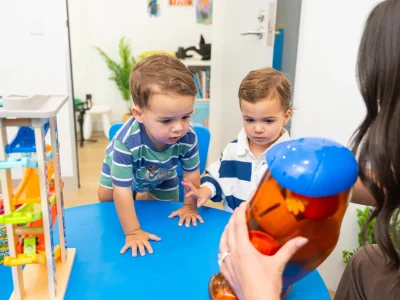
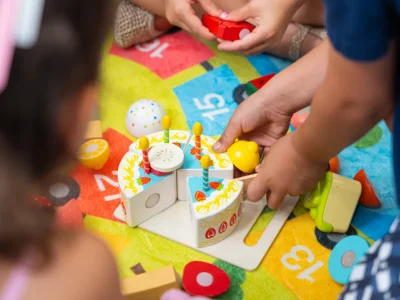
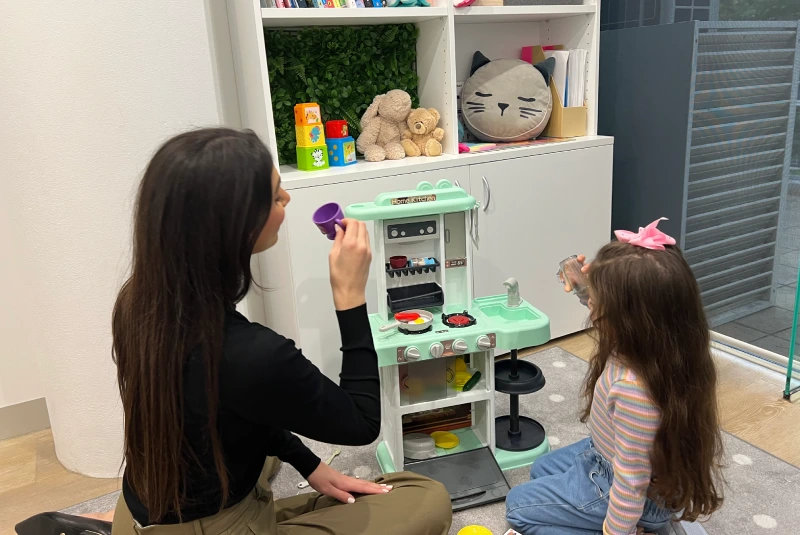
Speech therapy for toddlers looks very different from what adults might imagine. Sessions are entirely play-based, engaging, and designed to feel natural rather than clinical.
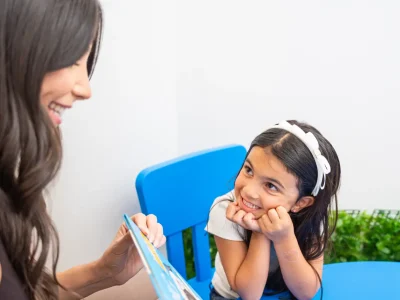
During therapy, your child’s speech pathologist will:
✓ Assess your child’s current speech and language abilities through observation and play
✓ Create a personalised therapy plan targeting your child’s specific needs
✓ Use toys, games, and activities your child enjoys to build communication skills
✓ Teach you strategies to support speech development at home
✓ Track progress over time and adjust the approach as your child grows
Therapy sessions focus on expanding vocabulary, improving pronunciation, encouraging sentence building, and developing social communication skills. The earlier these interventions begin, the more effectively children catch up to their peers.
Supporting Speech Development at Home
While professional therapy is helpful, parents have the biggest influence on their child’s speech development. Here are practical ways to encourage language growth every day:
Talk throughout daily routines: Narrate what you’re doing during meals, bath time, and play. This constant language exposure builds vocabulary naturally.
Read together daily: Choose colourful books with simple text and read them repeatedly. Repetition helps toddlers learn new words and understand story structure.
Limit screen time: Direct interaction with people, not screens, is what develops communication skills in young children.
Respond to all communication attempts: Whether your child uses words, sounds, or gestures, always acknowledge and respond to show that communication matters.
Expand on their words: When your child says ‘car,’ respond with ‘Yes, big red car!’ This models more complex language without pressure.
Sing songs and nursery rhymes: The rhythm and repetition in songs make language learning fun and memorable for toddlers.
Why Early Intervention Matters
The first few years of life represent a critical period for language development. Your child’s brain is incredibly receptive to learning communication skills during this time, making early intervention particularly effective.
Toddlers who receive speech therapy early often experience faster progress in catching up to their peers and develop better social skills. They typically show improved readiness for school and greater confidence in expressing themselves, which reduces frustration and behavioural challenges.
Waiting to see if your child will ‘grow out of it’ can mean missing this window of opportunity. If you have concerns about your 2-year-old’s speech, seeking professional guidance now is always the best approach.
Getting Started With Speech Therapy in Sydney’s Inner West
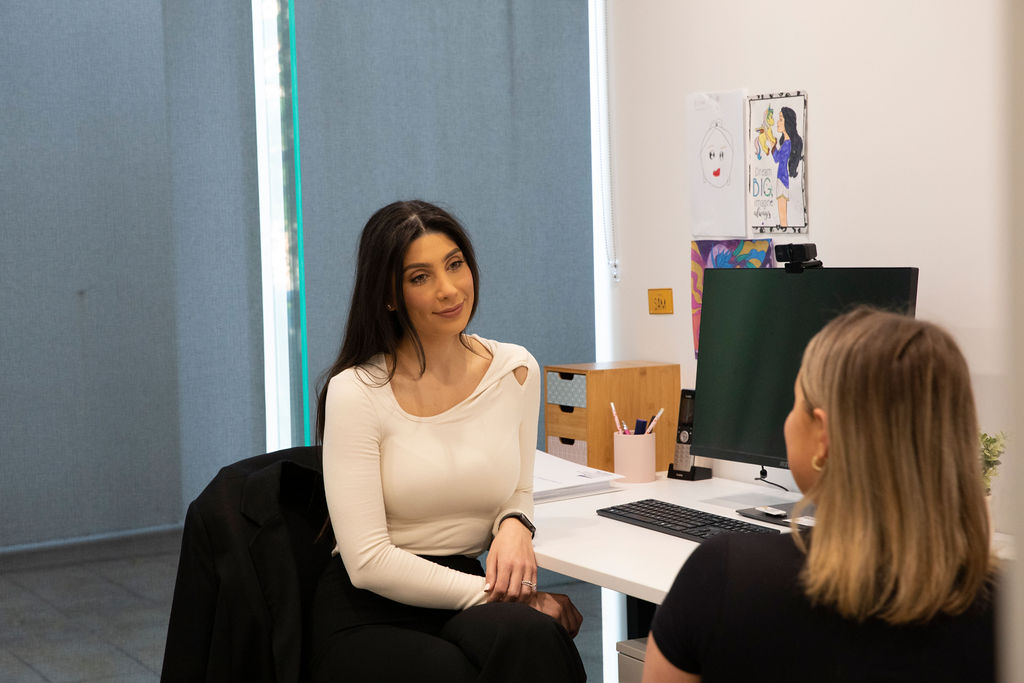
If you’re ready to take the next step for your child’s communication development, Kids and Cubs Clinic offers comprehensive speech pathology services designed specifically for young children. Our clinic in Balmain serves families throughout Sydney’s Inner West with personalised, play-based therapy that children genuinely enjoy.
We conduct thorough assessments, create individualised therapy plans, and work closely with families to ensure consistent progress. We support NDIS, Medicare, and private health rebates, making therapy accessible for families who need it.
Every child deserves the opportunity to communicate confidently and connect meaningfully with the world around them. If you’re concerned about your 2-year-old’s speech development, book an assessment with Kids and Cubs Clinic today and give your child the best possible start to their communication journey.