What is a Speech Pathologist? Exploring the World of Paediatric Speech Pathology
Communication is a fundamental aspect of human interaction, and for many children, developing speech and language skills is a crucial milestone in their early years. However, some children encounter difficulties in this journey, which is where speech pathologists, especially those specialising in paediatric speech pathology, play a vital role. In this blog, we’ll delve into the world of speech pathology and focus on the specialised area of paediatric speech therapy.

What is a Speech Pathologist?
Role of a Paediatric Speech Pathologist
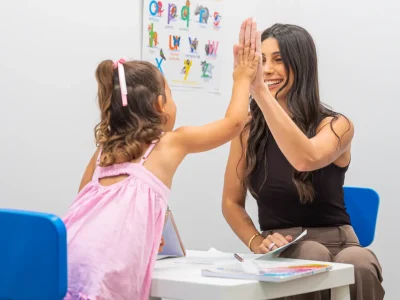
Paediatric speech pathologists work closely with children who exhibit a wide range of speech and language difficulties. These professionals help children achieve age-appropriate communication skills, which are essential for their social, academic, and emotional development.
Here are some of the key responsibilities of a paediatric speech pathologist:
-
Assessment and Diagnosis: The first step in a paediatric SLP’s work involves evaluating a child’s speech and language abilities. They conduct comprehensive assessments to identify communication disorders, such as articulation disorders (difficulty pronouncing sounds), language disorders (difficulty understanding or expressing thoughts), and stuttering, among others.
-
Individualised Treatment: Once a diagnosis is made, speech pathologists develop personalised treatment plans tailored to each child’s specific needs. These plans incorporate various therapy techniques and activities aimed at improving speech, language, and communication skills.
-
Early Intervention: Early intervention is crucial in paediatric speech pathology. The sooner a child receives therapy, the better their chances of achieving age-appropriate communication skills. Speech pathologists work closely with families to provide strategies and support for fostering communication development at home.
-
Collaboration: Paediatric speech pathologists often collaborate with other healthcare professionals, such as paediatricians, audiologists, occupational therapists, and educators, to ensure a holistic approach to a child’s development.
-
Assistive Devices: In some cases, children may require assistive communication devices like communication boards or speech-generating devices. Speech pathologists help select, customise, and teach children how to use these devices effectively.
-
Support for Families: Speech pathologists offer guidance and support to parents and caregivers. They educate families on strategies for facilitating language development and improving communication within the home environment.
The Impact of Speech Pathology
Speech pathology can have a profound impact on a child’s life. By addressing communication challenges early on, speech pathologists can help children:
-
Improve Academic Success: Communication skills are essential for reading, writing, and classroom participation. Speech therapy can enhance a child’s ability to excel academically.
-
Boost Self-Esteem: Improved communication skills can increase a child’s self-confidence and social interactions, reducing the risk of bullying and social isolation.
-
Enhance Relationships: Effective communication fosters better connections with family members, peers, and teachers, leading to healthier relationships.
-
Facilitate Independence: For children with severe communication disorders, speech therapy can empower them to express their wants and needs, promoting greater independence.
In the world of paediatric speech pathology, speech pathologists play a crucial role in helping children overcome speech and language challenges. By providing early intervention, personalised treatment plans, and ongoing support, these professionals contribute to the overall development and well-being of children. Paediatric speech pathology is a vital field that brings hope and improved quality of life to countless families, ensuring that every child has the opportunity to find their voice and reach their full potential.