If you’re wondering whether your 2 year old should be talking, you’re not alone. Many Sydney parents contact us at Kids and Cubs Clinic with concerns about their toddler’s speech development. The good news? There are clear milestones that can help you understand what’s typical and when to seek support.
What Speech Should You Expect from a 2 Year Old?
By age 2, most toddlers should be using at least 50 words and starting to combine them into simple two-word phrases like “more juice” or “mummy up”. By the time they reach 2.5 years, their vocabulary typically expands to around 200–300 words, and they begin forming three to four-word sentences.
However, every child develops at their own pace. Some 2 year olds are chatty and speak clearly, while others use fewer words or prefer gestures. Understanding where your child fits on this spectrum helps you support their unique communication journey.
Key Speech Milestones for 2 Year Olds
For a full breakdown of what to expect at every age, visit our Developmental Milestones page.
At 24 months, your toddler should typically:
✓ Use at least 50 words (ideally closer to 100 or more)
✓ Combine two words into simple phrases (“big car”, “daddy go”)
✓ Follow simple one-step instructions like “give me the ball”
✓ Point to familiar objects when named
✓ Attempt to imitate new words they hear
By 30–36 months, you should notice:
✓ A vocabulary explosion with 200–500+ words
✓ Three to four-word sentences (“I want more milk”)
✓ Asking simple “what” and “where” questions
✓ Speech that’s understood by familiar people about 75% of the time
✓ Beginning to use pronouns like “me”, “you”, and “mine”
How To Get My 2 Year Old To Talk: Practical Strategies
If you’re looking for ways to encourage your toddler’s speech development, here are strategies that work well in everyday life:
- Talk About Everything: Narrate your daily activities as you go. Instead of silently making lunch, say: “Let’s make a sandwich. First, we need bread. Should we use the butter? Now we’ll spread it carefully.” This constant conversation gives your child hundreds of opportunities to hear and learn new words.
- Expand on Their Words When your child says “car”, respond with “yes, that’s a big red car!” This models correct grammar and introduces new vocabulary naturally without putting pressure on them to perform.
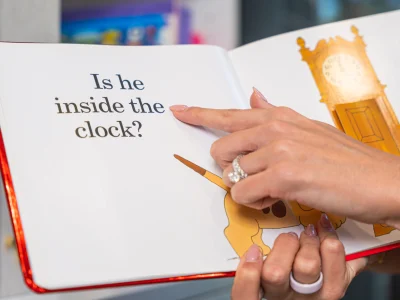
- Read Together Daily Books are wonderful language builders. Point to pictures, ask simple questions, and let your child turn the pages. You don’t need to read every word — just talk about what you see together and follow their interests.
- Create Opportunities for Communication Instead of anticipating every need, pause and wait. If your child points to their cup, say “do you want water?” and wait for any attempt at communication before responding. This teaches them that words have power.
- Sing Songs and Nursery Rhymes Repetitive songs help children learn rhythm, rhyme, and new vocabulary. Favourites like “Twinkle Twinkle” and “Row Row Row Your Boat” are excellent because toddlers can predict what comes next and join in.
- Follow Their Lead During Play Get down on the floor and play with what interests them. If they’re fascinated by blocks, build together while naming colours, sizes, and actions. Children learn best when they’re engaged and having fun.
When Should You Be Concerned?
While some variation is normal, certain signs suggest your 2 year old may benefit from professional support. Consider contacting a speech pathologist if your child:
✓ Uses fewer than 50 words by age 2
✓ Doesn’t combine words into phrases by 24 months
✓ Relies primarily on gestures rather than words
✓ Can’t follow simple instructions
✓ Lost words or skills they once had
✓ Is difficult for you to understand most of the time
✓ Shows frustration when trying to communicate
These signs don’t necessarily mean something is wrong, but early assessment can make a significant difference. Through our work with hundreds of Sydney families at Kids and Cubs Clinic, we’ve seen how timely support helps toddlers build confidence and catch up to their peers.
The Benefits of Early Support
Children who receive speech support early often achieve better outcomes across many areas of development. They tend to feel more confident expressing themselves, participating in preschool activities, and building friendships with other children.
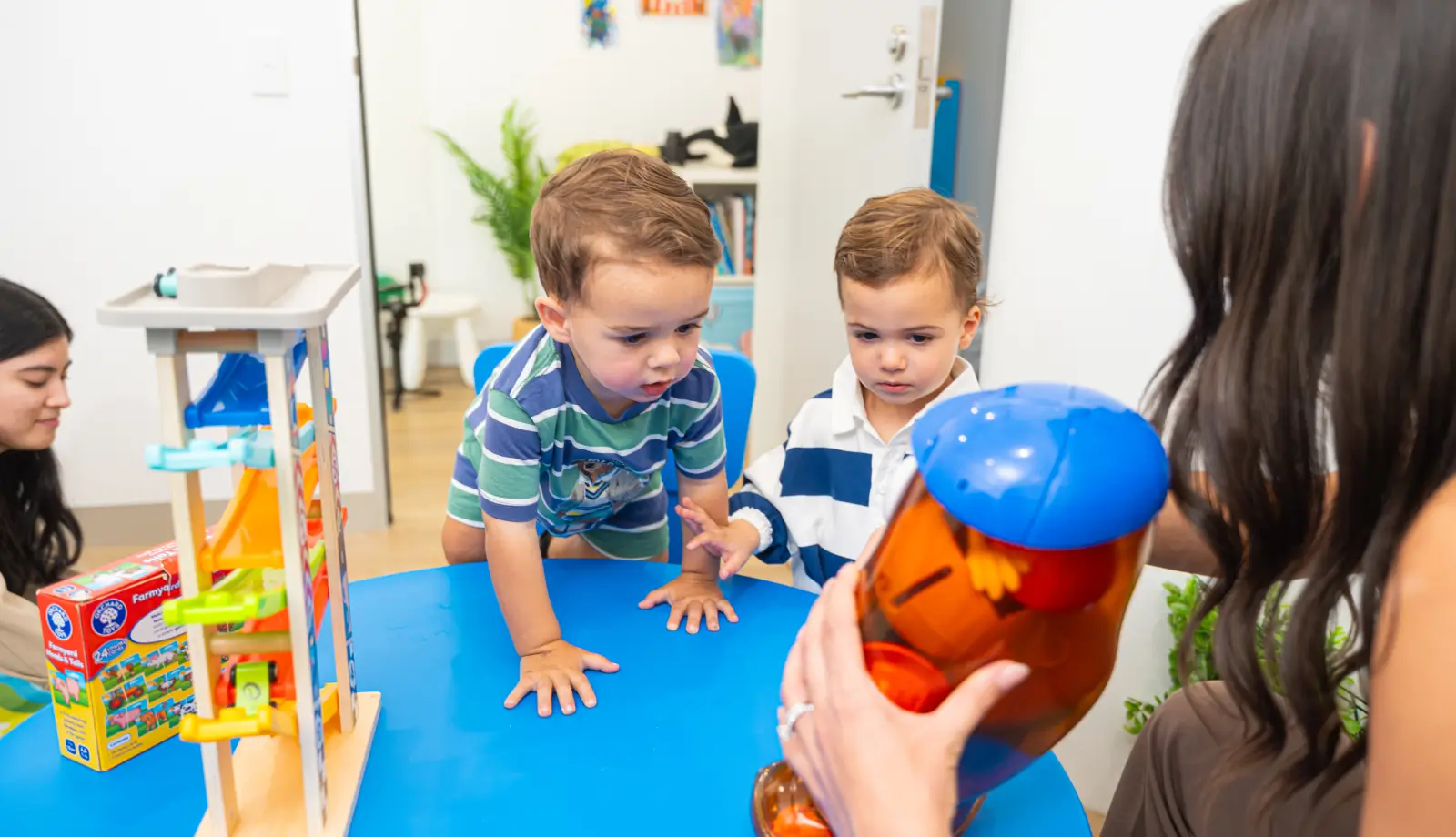
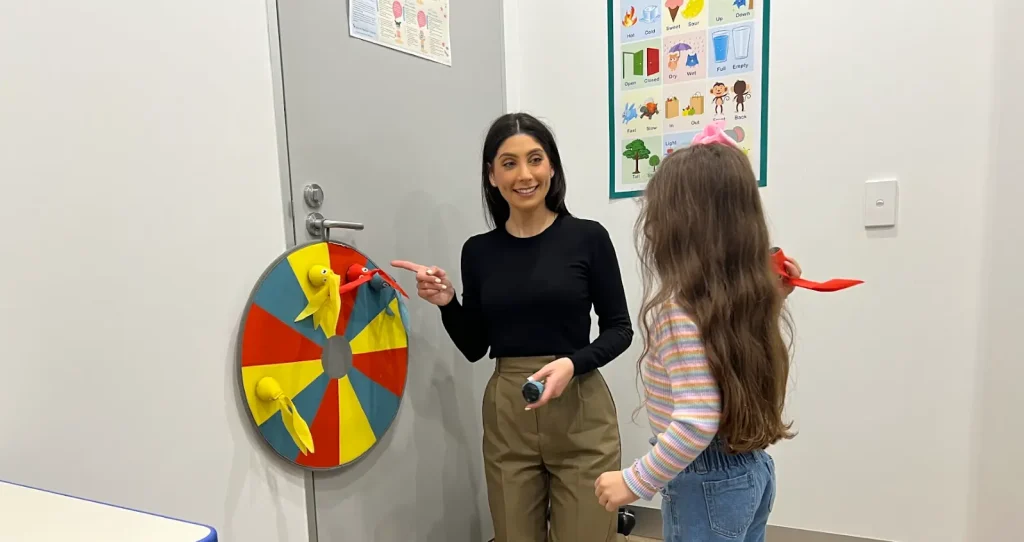
Our play-based approach at Kids and Cubs Clinic in Balmain makes therapy for toddlers and preschoolers feel natural and enjoyable. We work with you to create strategies that fit into your daily routines, whether that’s during bath time, meals, or trips to the park. Can’t make it in person? We also offer telehealth therapy for families across Sydney.
Understanding Late Talkers vs Speech Delays
Not all toddlers who speak less than expected have a speech delay. Some children are “late talkers” who catch up naturally within six months, while others need targeted support to get on track.
Factors that may contribute to delayed speech include hearing difficulties, limited opportunities for conversation, or developmental delays. During an assessment, we investigate these possibilities and create a personalised plan that addresses your child’s specific needs.
Next Steps for Sydney Families
If you’re concerned about your 2 year old’s speech development, trust your instincts. Parents know their children best, and your concerns deserve professional attention. You’ll also find answers to many common questions on our FAQ page.
Kids and Cubs Clinic offers comprehensive speech assessments for children across Sydney, with our Balmain clinic conveniently located for Inner West families.
We accept NDIS funding (self-managed and plan-managed), private health insurance, and Medicare Chronic Disease Management plans.
Ready to support your child’s communication journey? Contact Kids and Cubs Clinic today on (02) 9166 7622 to book a speech assessment. Our experienced child speech pathologists are here to answer your questions and help your toddler find their voice.